

Over the last few years, one name has been generating increasing attention in Guyana’s real estate sector — Silica City.
What was once viewed by many as simply a long-term government concept is now becoming one of the country’s most closely watched development zones. With infrastructure works advancing, new housing phases being announced, and major public investment flowing into the Soesdyke-Linden Highway corridor, interest in surrounding real estate has grown significantly.
For property investors, landowners, developers, and even ordinary Guyanese looking to secure land early, the areas surrounding Silica City may represent one of the most important real estate opportunities currently emerging in Guyana.
In this article, we’ll explore:
- What Silica City is
- Why the surrounding corridor matters
- Which nearby areas investors are watching
- The types of real estate opportunities available
- Risks and considerations buyers should understand
- What this could mean for Guyana’s future property market
What Is Silica City?
Silica City is a planned urban development being constructed along the Soesdyke-Linden Highway corridor. The project forms part of Guyana’s broader national development strategy aimed at:
- reducing pressure on Georgetown,
- creating a more modern inland urban center,
- improving climate resilience,
- and supporting long-term economic expansion. ()
According to government announcements, the development is expected to include:
- residential communities,
- commercial districts,
- smart infrastructure,
- educational facilities,
- healthcare services,
- green spaces,
- and technology-focused urban planning. ()
The project spans thousands of acres, with infrastructure and housing already underway. ()
While there are still questions about the long-term pace and execution of the project, there is little doubt that the surrounding corridor is already attracting increased attention from investors, developers, and land speculators.
Why the Soesdyke-Linden Highway Corridor Matters
Historically, many Guyanese viewed the Soesdyke-Linden Highway mainly as a transit route connecting Georgetown to Linden and the interior.
Today, that perception is changing rapidly.
The corridor is now positioned at the center of several major national developments, including:
- Silica City,
- highway expansion projects,
- increased commercial activity,
- industrial growth,
- logistics opportunities,
- and future inland expansion. ()
For real estate investors, infrastructure is often the first sign of future value appreciation.
We’ve already seen similar patterns in areas such as:
- Eccles,
- Diamond,
- Providence,
- and parts of the East Bank Demerara corridor,
where land values rose significantly after major infrastructure and commercial expansion began.
The same conversation is now happening around the Silica City corridor.
Why Investors Are Paying Attention
Land Prices Are Still Relatively Early-Stage
Compared to many developed coastal areas, land values along parts of the highway corridor are still considered affordable by many investors.
This creates an opportunity for:
- long-term land banking,
- residential subdivision development,
- commercial projects,
- warehousing,
- logistics hubs,
- and future mixed-use developments.
Many investors are attempting to enter before large-scale population migration and commercial expansion accelerate prices further.
Infrastructure Drives Property Value
One of the biggest drivers of property appreciation is infrastructure investment.
The ongoing upgrades to the Soesdyke-Linden Highway are particularly significant because they improve:
- accessibility,
- transportation efficiency,
- logistics movement,
- and development potential.
Improved roads typically increase:
- residential demand,
- commercial activity,
- and investor confidence.
This is one reason many investors believe the corridor may experience long-term appreciation over the next decade.
Demand Is Expanding Beyond Georgetown
Georgetown continues to experience:
- congestion,
- increasing land prices,
- traffic challenges,
- and growing housing demand.
As Guyana’s economy expands, more people are beginning to explore opportunities outside traditional urban areas.
Silica City’s inland concept aligns with a broader national shift toward:
- decentralization,
- modern urban planning,
- and expansion away from vulnerable low-lying coastal zones.
Areas Near Silica City Investors Are Watching
Several surrounding communities and corridors are receiving increased attention.
Soesdyke
Soesdyke remains one of the most strategically positioned areas because it serves as the gateway into the highway corridor.
Interest here includes:
- residential housing,
- roadside commercial development,
- gas stations,
- supermarkets,
- warehouses,
- and hospitality businesses.
Timehri
With proximity to the Cheddi Jagan International Airport, Timehri may continue benefiting from:
- tourism growth,
- airport expansion,
- logistics operations,
- and business travel demand.
Areas close to major airports often become attractive for:
- hotels,
- commercial offices,
- rentals,
- and warehousing.
Linden Corridor
Some investors are also looking beyond Silica City toward Linden itself due to:
- mining-related economic activity,
- future Brazil trade potential,
- and improved transportation links.
There is growing discussion about how inland infrastructure may reshape commercial activity over the next 10–20 years.
Types of Real Estate Opportunities Emerging
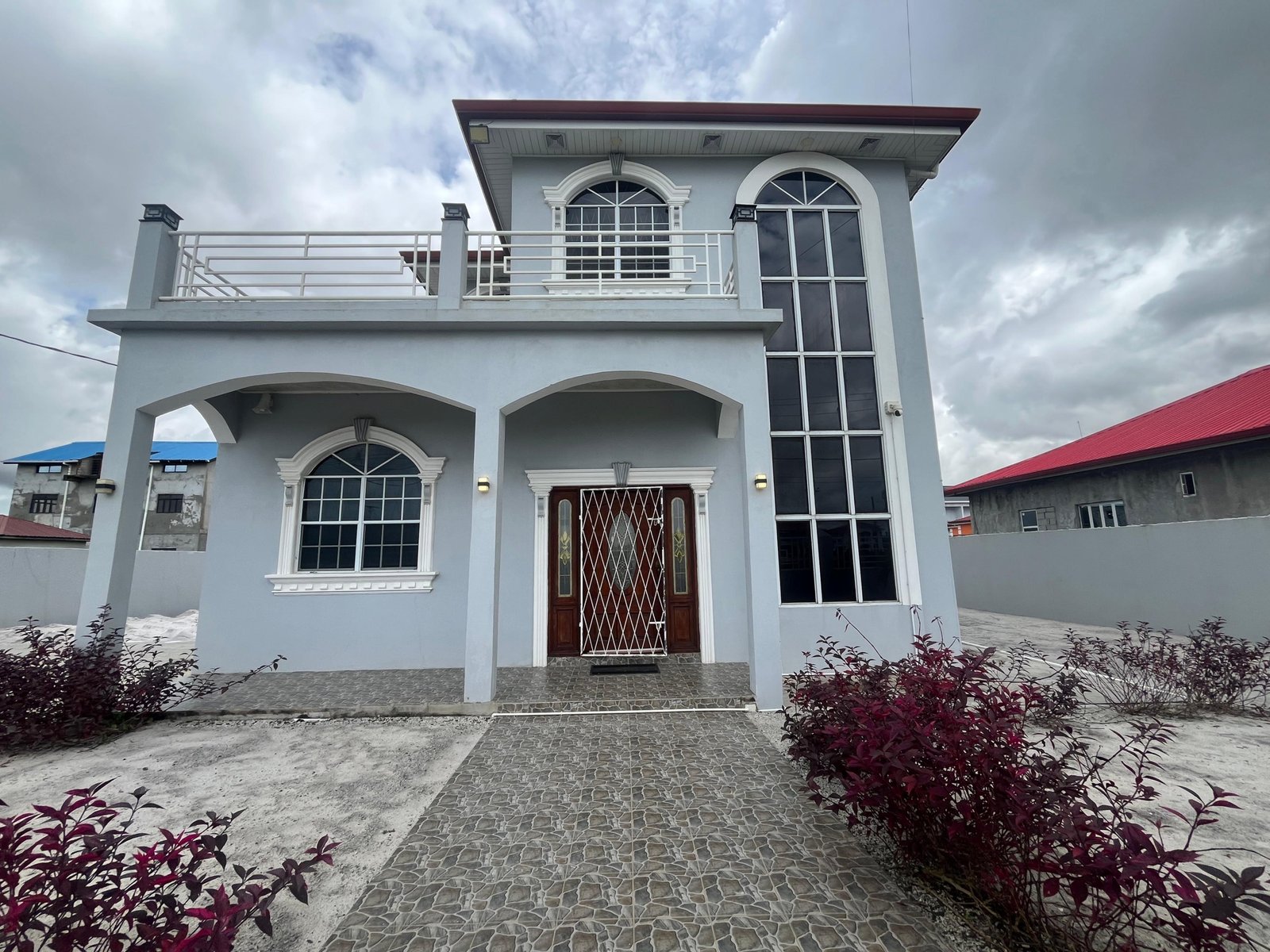
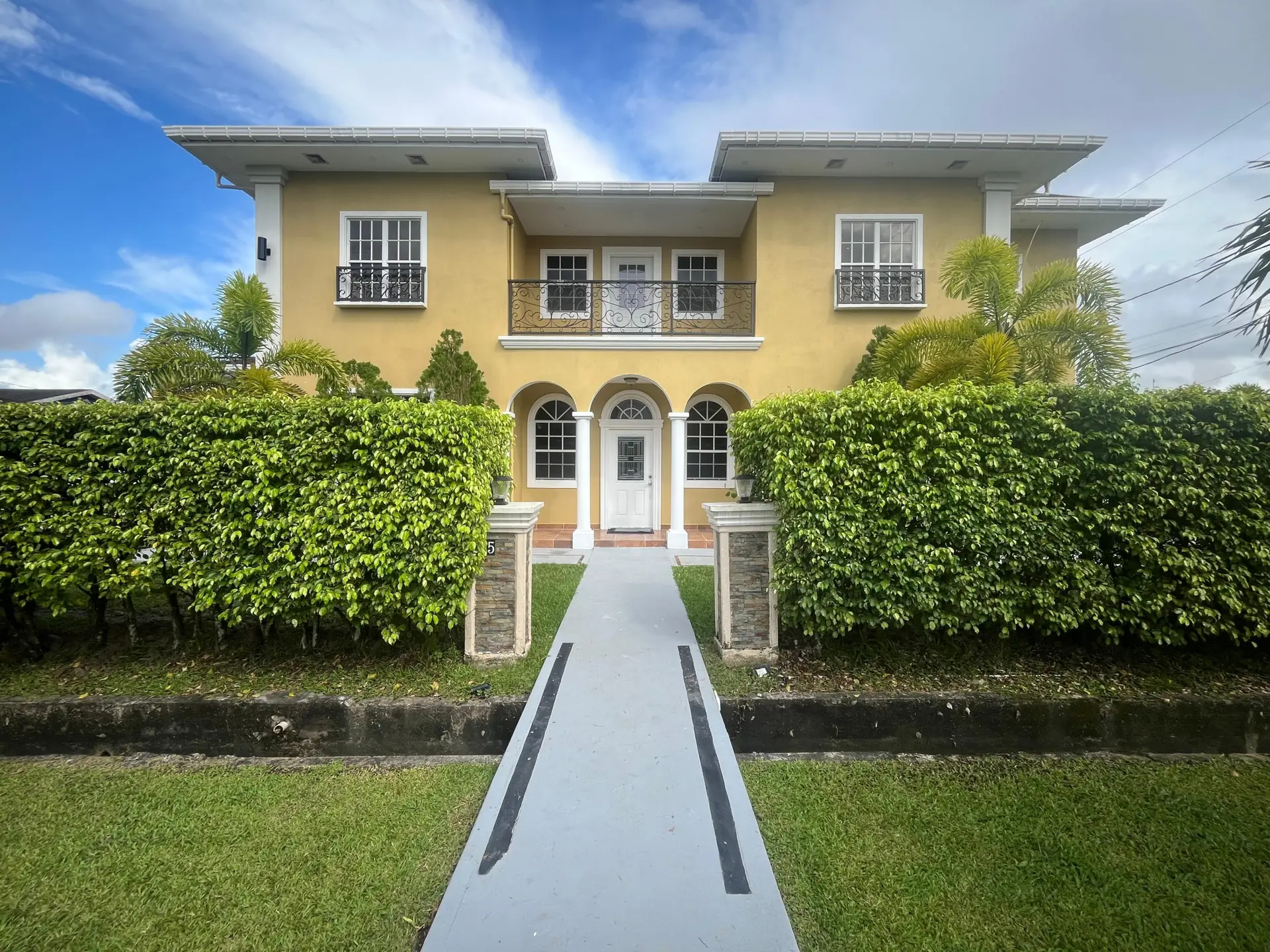
Residential Development
As new infrastructure expands, demand for:
- housing schemes,
- gated communities,
- rentals,
- and modern homes
may continue increasing.
Developers are already paying attention to the potential for middle-income and upper-middle-income housing projects in these corridors.
Commercial Real Estate
Commercial property opportunities may include:
- office buildings,
- retail plazas,
- restaurants,
- hardware stores,
- auto businesses,
- logistics facilities,
- and service-oriented businesses.
As population density grows, commercial demand usually follows.
Land Banking
One of the most common investment strategies in Guyana remains land banking:
buying land early and holding long-term.
This strategy carries risks, but many investors believe strategic land near future infrastructure corridors may appreciate significantly over time.
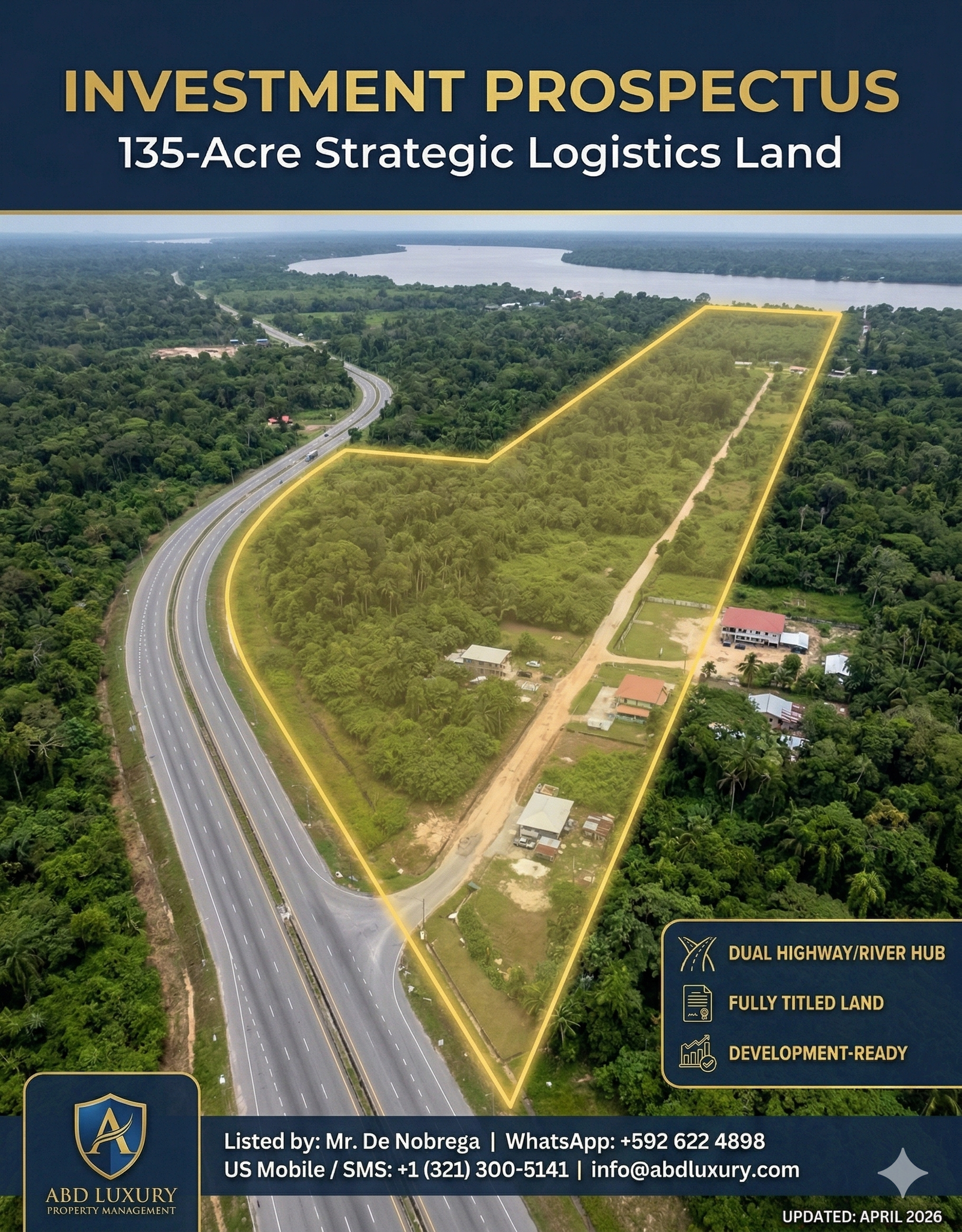
Industrial & Logistics Opportunities
The corridor’s positioning between Georgetown, the interior, and Linden creates long-term logistics potential.
This may support:
- trucking operations,
- distribution centers,
- storage facilities,
- and industrial development.
Strategic commercial lands along the corridor are already being marketed around these future growth expectations.
Important Risks Buyers Should Understand
While there is significant excitement surrounding Silica City and nearby real estate, buyers should remain realistic and conduct proper due diligence.
Not every parcel of land will automatically become highly valuable.
Some key considerations include:
Verify Ownership & Transport
Always ensure:
- transports are valid,
- surveys are completed,
- and ownership documentation is properly verified.
If you’re unfamiliar with the process, you may find our guide helpful:
👉 “Cost of Buying a House in Guyana (2026 Guide)” on RealEstate360.gy
Understand Infrastructure Timelines
Large-scale developments take time.
While Silica City has progressed beyond concept stage, full urban transformation may occur gradually over many years.
Investors should think long-term rather than expecting immediate returns.
Avoid Speculative Hype
As with any emerging market, speculation can drive unrealistic pricing.
Some sellers may significantly overprice land based purely on future expectations.
Always compare:
- location,
- road access,
- utilities,
- elevation,
- legal status,
- and surrounding development activity.
What This Could Mean for Guyana’s Real Estate Market
Guyana is undergoing a historic economic transformation.
Oil revenues, infrastructure spending, population movement, and increased international attention are reshaping the country’s property market faster than many expected.
Silica City represents more than just a housing project.
It symbolizes:
- inland expansion,
- modernization,
- long-term urban planning,
- and the possibility of entirely new economic corridors emerging outside traditional coastal centers.
Whether the project ultimately becomes a global “smart city” or evolves more gradually, one thing is already clear:
the surrounding corridor is becoming increasingly important in Guyana’s future real estate landscape.
Final Thoughts
For investors willing to think long-term, the areas surrounding Silica City may offer some of the most interesting real estate opportunities currently developing in Guyana.
However, successful investing will depend on:
- proper research,
- realistic expectations,
- strong due diligence,
- and understanding how infrastructure shapes property markets over time.
As Guyana continues to evolve, the Soesdyke-Linden Highway corridor may eventually become one of the country’s most strategically important development zones.
If you’re currently exploring land or investment opportunities in Guyana, browse verified listings on RealEstate360.gy or contact our team to discuss available opportunities across the country.




Join The Discussion